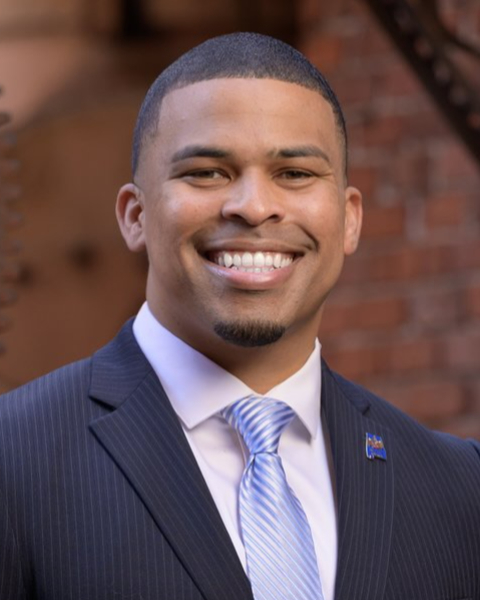
Across the country, renewable energy projects are facing growing local resistance -- often not because of the technology itself, but because of community dynamics, mistrust, and shifting land use expectations. Drawing from his dual role as both a Public Policy Manager for a utility scale renewable energy developer and an elected city councilmember in a rural community, Arthur Fisher Jr provides a rare inside out perspective on why projects succeed, why they fail, and what developers can do differently.
This session explores the root causes of local opposition including fear of change, distrust of outside developers, land use conflict, misinformation, and a rising demand for transparency. It also examines how these forces are shaping new zoning restrictions, county level moratoria, and state policy barriers. Through real world examples and on the ground lessons, Arthur outlines proven strategies that help transform community resistance into community partnership.
Attendees will learn:
Why early relationship driven engagement outperforms traditional developer playbooks
How trusted local voices and community defined benefits can reshape public perception
What city councils, planning commissions, and local staff need before making a decision
How developers can build long term trust, reduce project risk, and strengthen civic participation in the process
Blending policy insight with lived experience in local government, this talk challenges developers, policy leaders, and advocates to rethink engagement as more than outreach. It is a form of democratic partnership. When communities feel heard, respected, and included, they move from opposition to ownership. When that happens, renewable energy projects do not just get approved. Communities say yes.

.png)
.png)
.png)
.jpg)
.jpg)
.png)